
.png?width=1000&height=199&name=SG-Logo3-Transparent-1000x199px%20(1).png "www.SchoolGrowth.com")
Stakeholder Communication & Engagement for School Leaders
Trust doesn't come from a single announcement. It comes from how consistently your board, faculty, and families are heard, informed, and brought into the plan. We build that discipline around your school, so strategy becomes a shared action instead of a memo people forget by Monday.

Announcing Isn't Communicating
Most schools count on the newsletter, the email blast, or the town hall to keep people informed, then wonder why the board feels blindsided or a decision lands wrong. Sending information answers one question: did we tell them? Whether people trust what you told them, feel heard, and act on it is a different question entirely.
We build the whole discipline, not just the announcement. The kind that sustains healthy Ecosytem Leadership across a campus, not just a single office or job title.

School Happens. What You've Rehearsed Is What Shows.
Every school leader faces the unplanned: a viral parent email, a leadership transition, a tuition increase that lands wrong, a controversy that reaches the local paper. None of it is optional. What's optional is how ready you are.
Left unaddressed, a communication misstep becomes more than an embarassment. It's the kind of exposure a board is accountable for, and the kind of impression that sends a family to the school down the road that seemed to have it together. Composure isn't a personality trait, it's what a rehearsed protocol produces.
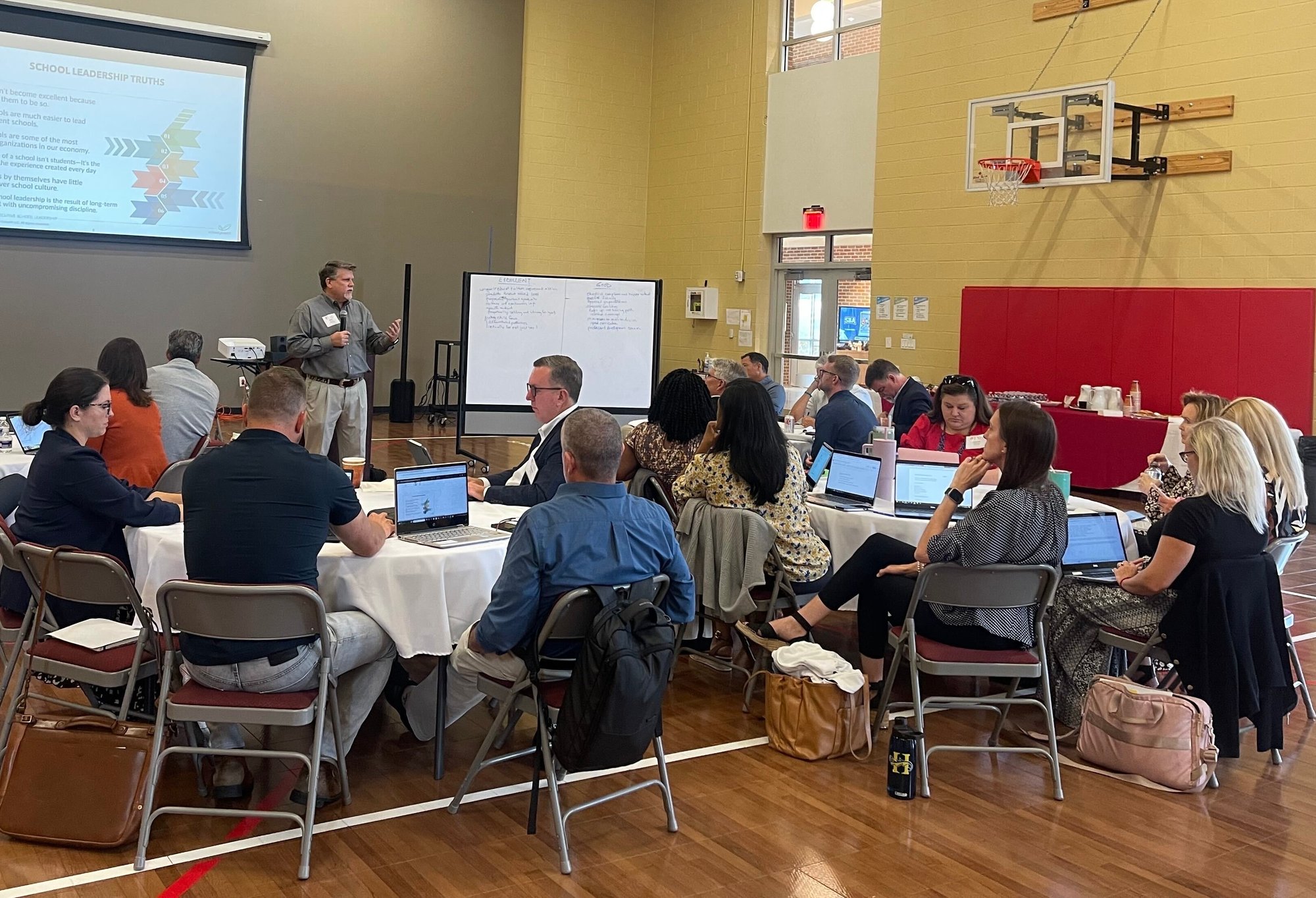
What School Growth Stakeholder Communication & Engagement Delivers
Most schools already send newsletters and hold town halls. Here's what tends to be different about our approach.
Typical Communication
✖ WHEN CRISIS HITS
Leaders improvise a response under pressure.
✖ DIRECTION OF INFORMATION
Messages flow one way, top-down.
✖ MESSAGE TESTING
Ideas go out untested and get reworked in public.
✖ CHANNEL STRATEGY
The same message, sent the same way, to everyone.
✖ AFTER THE ANNOUNCEMENT
Little sense of whether the message landed.
School Growth Commuication
✔ WHEN CRISIS HITS
A protocol the team has already rehearsed.
✔ DIRECTION OF INFORMATION
Listening channels built in both directions.
✔ MESSAGE TESTING
Ideas tested with key stakeholders before they go wide.
✔ CHANNEL STRATEGY
The right medium chosen for the audience and the moment.
✔ AFTER THE ANNOUNCEMENT
Feedback loops that show what stakeholders actually heard.
What School Growth Stakeholder Communication & Engagement Delivers
Six deliverables turn communication from a reactive habit into a discplined practice your leadership team owns:
- Crisis & Issues Communication Protocol - a rehearsed process for the distruptions every school eventually faces, so your team responds with composure instead of improvising
- Stakeholder & Message Audit - a clear map of who needs to hear what, when, and through which channel, built on how your board, faculty, and families actually communicate today
- Message Testing Practice - a habit of testing key messages with trusted stakeholders before they go public, so ideas land the first time
- Media & Channel Strategy - the right mix of channels chosen for each audience and moment, not just the ones you've always used
- Leadership Intelligence Loop - listening structures that feed what your community is actually thinking back into your leadership team's decisions
- Board & Community Engagement Plan - a way to bring your board, faculty, and families into shared ownership of your direction, not just notify them of it
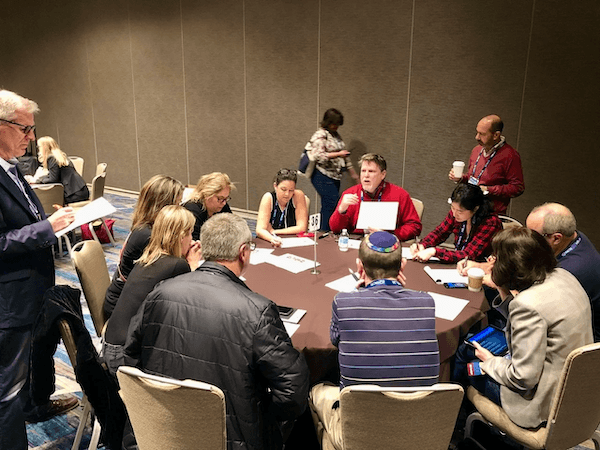
The Five Disciplines of Stakeholder Communication & Engagement
These five disciplines are the operating habits behind Laws of the Grapevine, School Growth Founder Scott Barron's framework for how information actually moves through a school community, and the core methodology behind every engagement we run.
- Listen Before You Speak - build the channels that surface what your board, faculty, and families are actually thinking, before you decide what to say
- Maximize Your Media - match each message to the right channel and moment, instead of defaulting to whatever went out last time
- Test Before You Launch - pressure-test key messages with trusted stakeholders so you catch what's missing before the whole community sees it
- Motivate Action - write and speak in a way that moves people to do something, not just acknowledge that they read it
- Elevate Leadership Intelligence - turn what you hear back into sharper decisions, so communication strengthens your leadership instead of just reporting on it


Frequently Asked Questions
Stakeholder communication and engagement is the discipline of building trust with your board, faculty, and familes through how, when, and what you communicate — not just announcing decisions, but building the listening and feedback habits that earn genuine buy-in. At School Growth, this work turns strategy into shared action instead of a memo nobody reads.
School communication typically breaks down for a few reasons: messages flow in one direction with no way to hear back, the same channel gets used regardless of audience or moment, and no one tests an idea before it reaches the whole community. Add an unplanned crisis to the mix, and a school with no rehearsed protocol is left improvising in public.
A head of school owns the daily flow of information — what goes out, when, and to whom. A board is accountable for the exposure a communication misstep creates, even when it didn't send the message. We work with both, so the head has a rehearsed process to run and the board has confidence the school won't be caught flat-footed.
Laws of the Grapevine, devleoped by School Growth Founder Scott Barron, is our framework for how information actually moves through a school community, formally and informally. It's the core methodology behind our stakeholder communication and engagement work, giving your leadership team the protocols to navigate difficult moments with composure and wisdom, instead of chasing every rumor after it's already spread.
We help you build the protocol before the crisis arrives, not after. That means a rehearsed process for who speaks, what gets said, and through which channel, so your team can respond with clarity in the first hour instead of the third day. Composure under pressure is a practiced discipline, not a personality trait.
Because this work is scoped as part of an ongoing relationship, the investment depends on where your school is starting from. You can get started by contacting us and sharing what's prompting the need — a specific event, a strained relationship with your board, or simply the sense that your community doesn't hear from you consistently enough. The best first step is a free evaluation call, where we find the right starting point together.
Ready to Get Started?
Are your ready to take your school systems and sustained execution to the next level? Schedule a call with us today.